


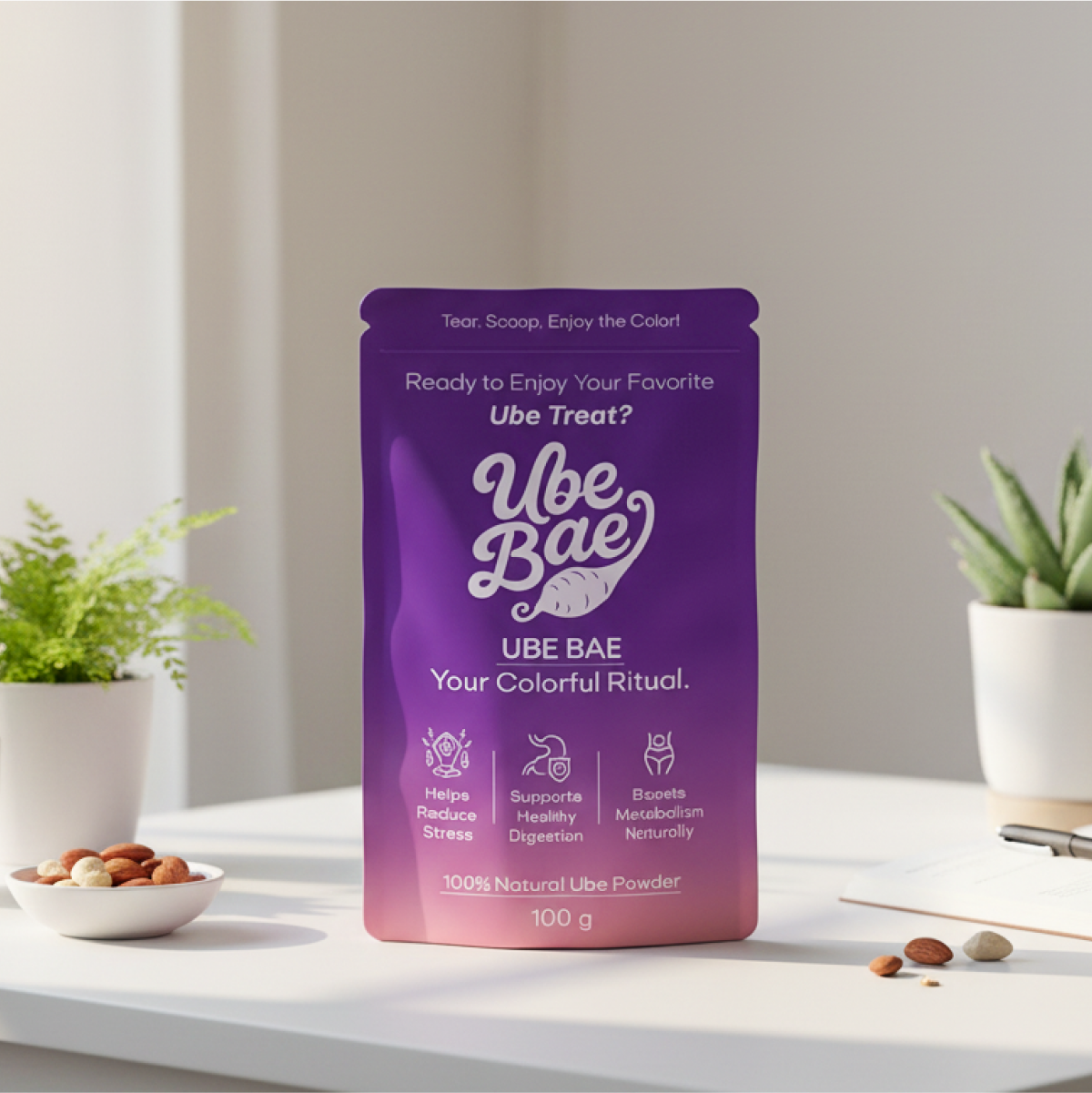
Organic Ube Powder - Real Ube
 Antioxidant Rich
 Stress Relief
 Sustained Energy
 Gut-Friendly
Couldn't load pickup availability
- 30-Day Returns
- Secure Checkout
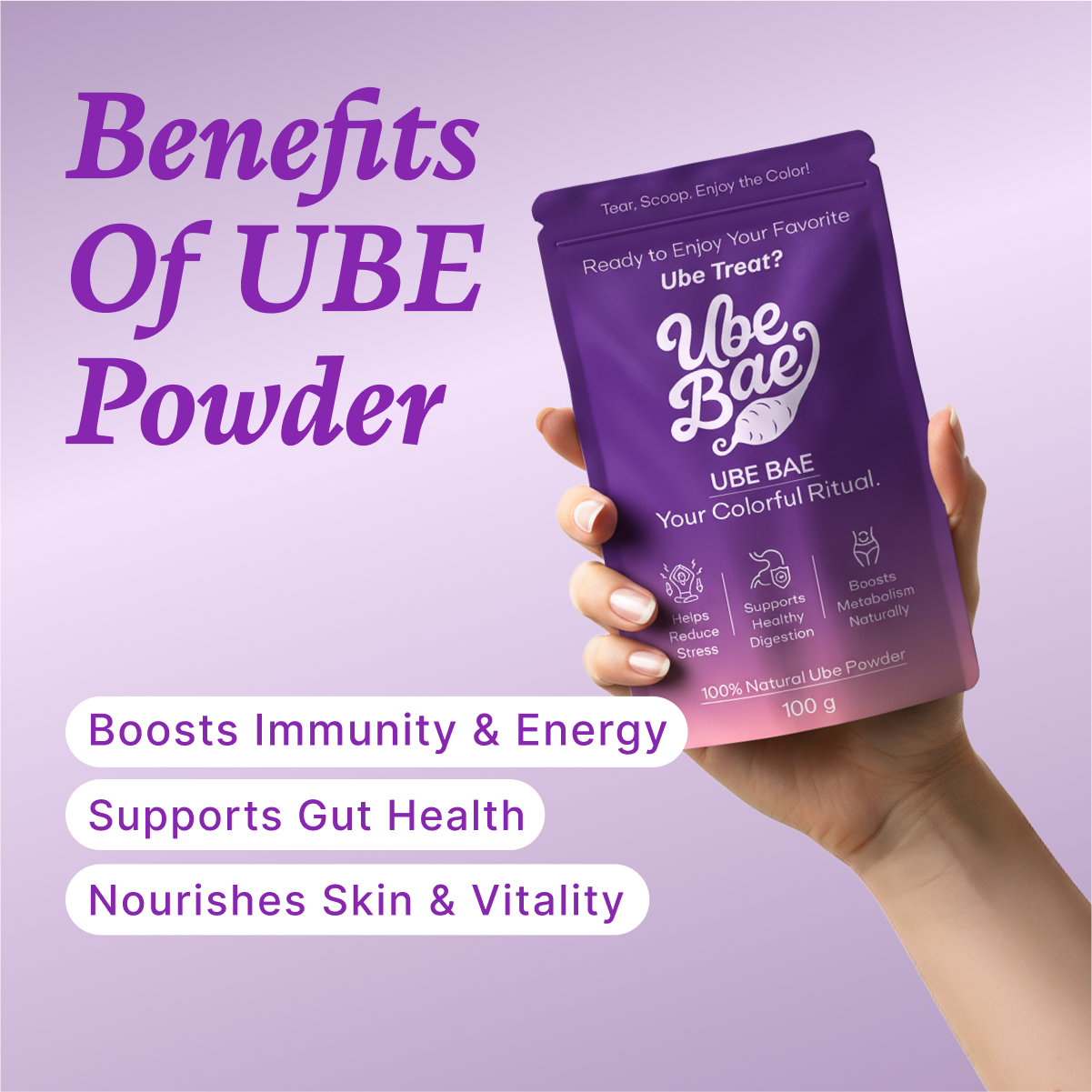
Pure & Powerful – Packed with antioxidants, fiber, and essential vitamins
Calm & Collected – Naturally helps ease stress and restore balance
Energy That Lasts – Smooth, sustained vitality without caffeine crashes
Gentle on Your Gut – Supports healthy, light, and easy digestion
Deliciously Different – A creamy taste with hints of hazelnut and vanilla
Description
Origins
Every pouch of Ube Bae starts where the best organic ube powder begins — in the rich volcanic soil of the Philippines, where Dioscorea alata (purple yam) has been grown for generations.
We source real ube directly from small family farms in the Philippine highlands, where the volcanic terrain and tropical climate produce a purple yam with unmatched color depth, natural sweetness, and a distinctive hazelnut-vanilla flavor you won't find anywhere else.
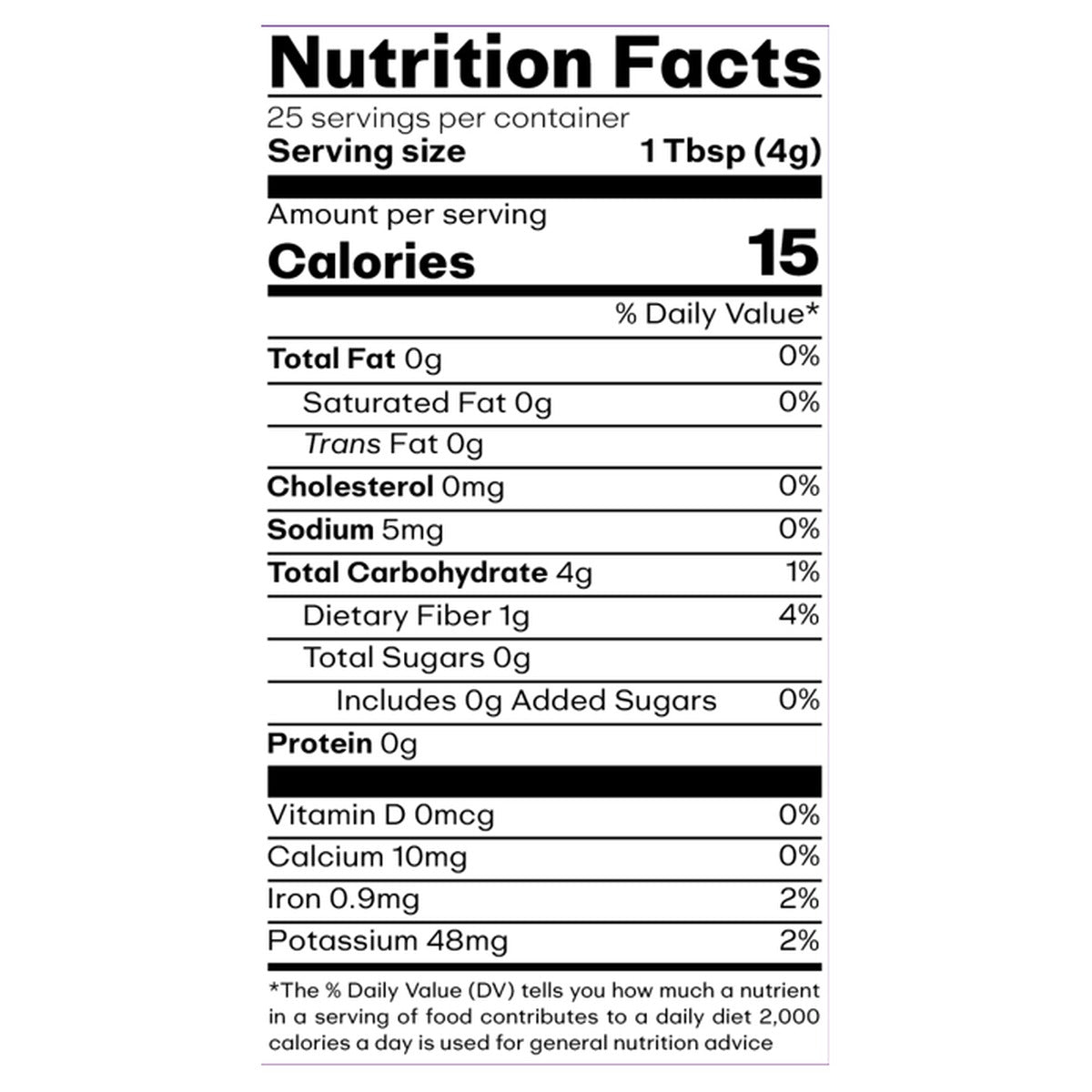
Our ube is slowly dried at low temperatures to lock in the purple yam benefits that make it a true superfood — natural antioxidants, essential vitamins, dietary fiber, iron, and potassium. No shortcuts. No fillers. Just 100% pure, organic ube powder with every nutrient intact.
What you won't find in our powder: no GMOs, no pesticides, no artificial colors, no added sugar, no preservatives. What you will find: a certified organic, vegan, and gluten-free purple yam powder that's as clean as the farms it comes from.
We believe the best ube powder shouldn't just taste incredible — it should be traceable, ethical, and good for the people who grow it. That's why we work directly with Filipino farming communities, pay fair prices, and reinvest in sustainable agriculture practices that protect the land for future harvests.
From Philippine soil to your kitchen — every scoop of Ube Bae is our promise that real ube, grown right and processed with care, can make your morning latte, smoothie, or recipe a little more magical.
Storage & Allergen
Key Benefits
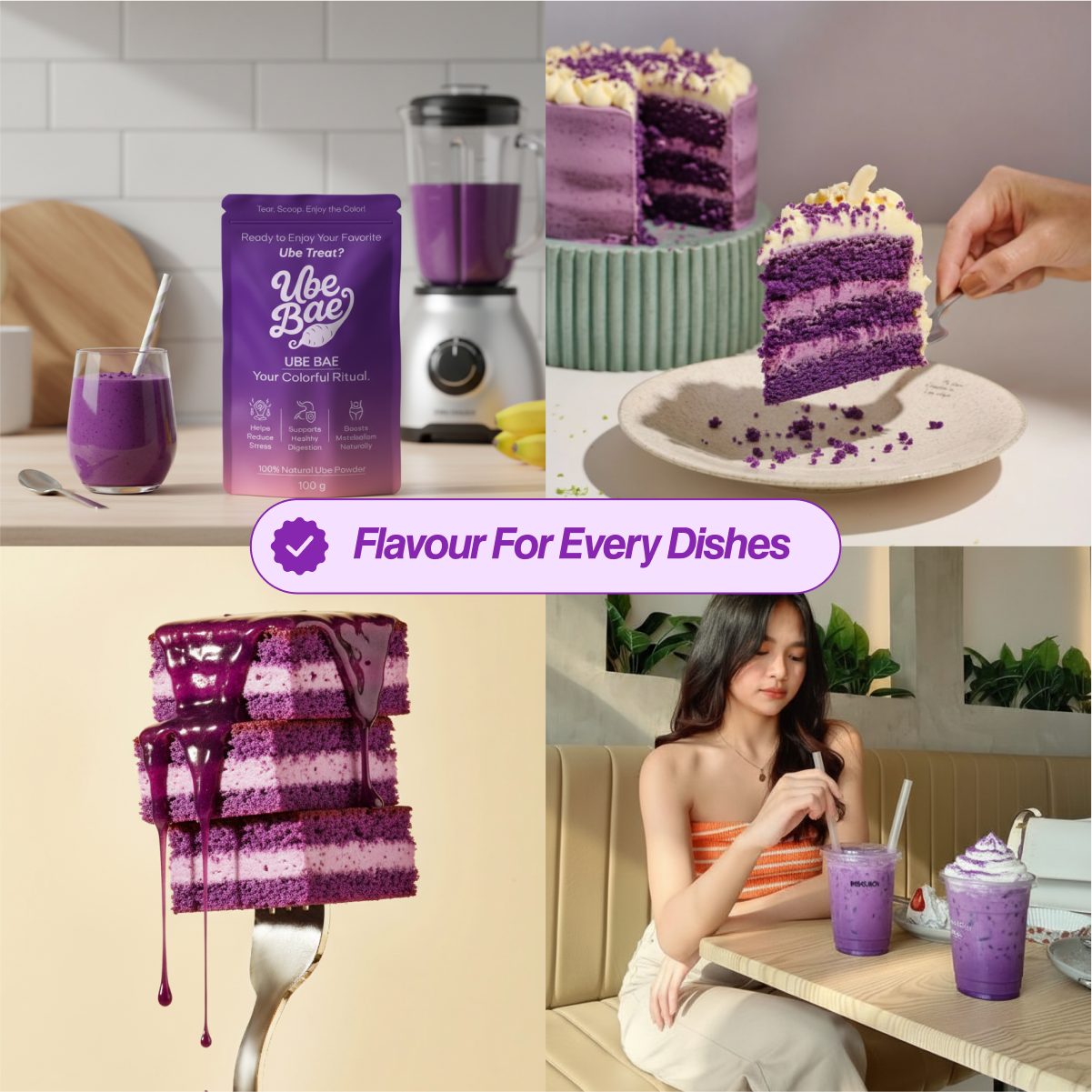

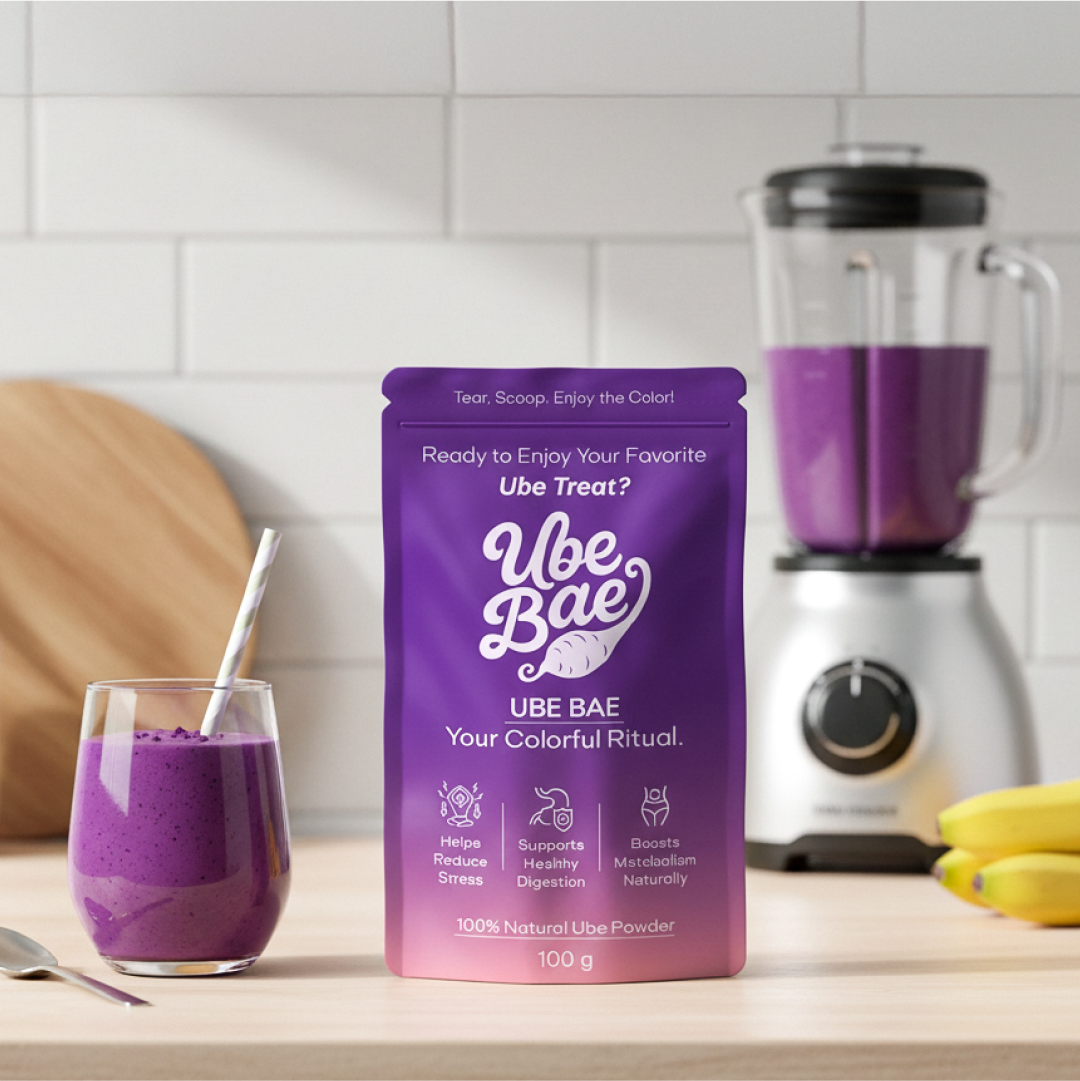
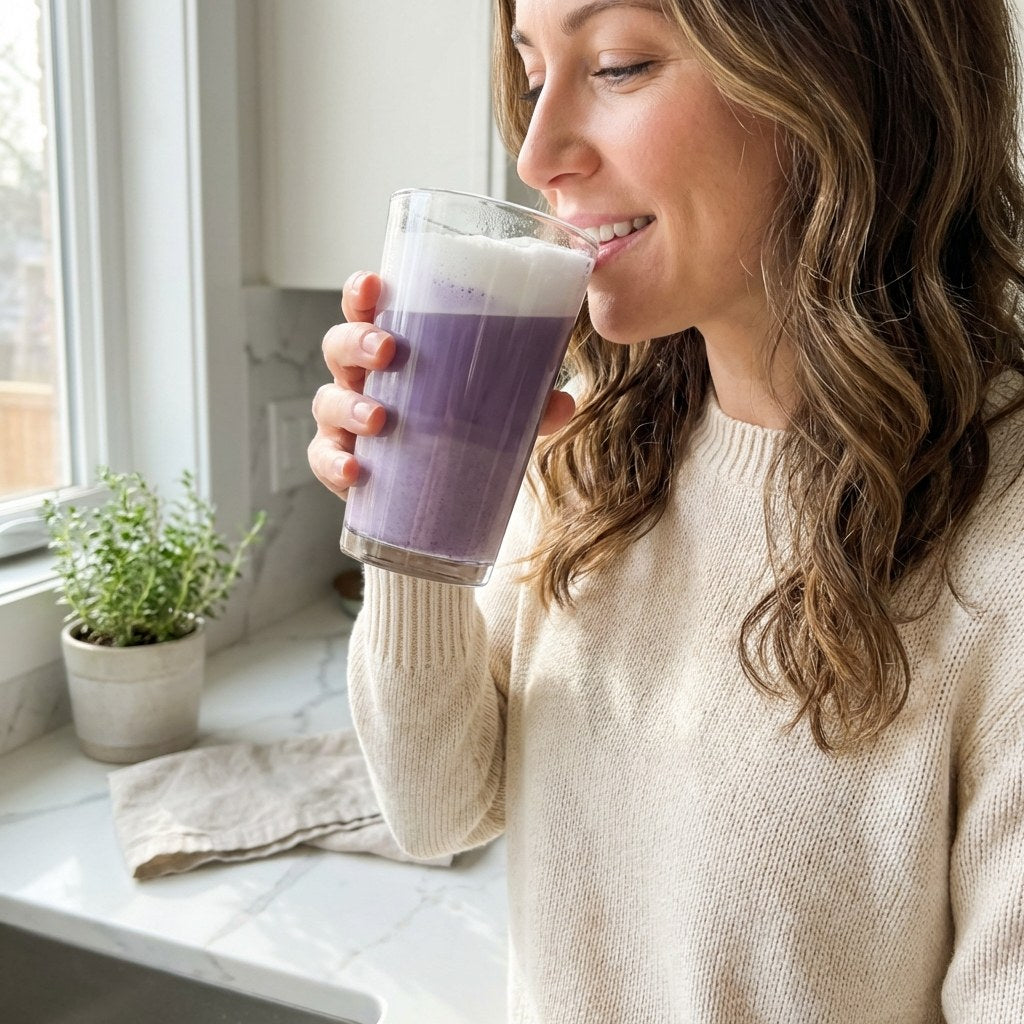
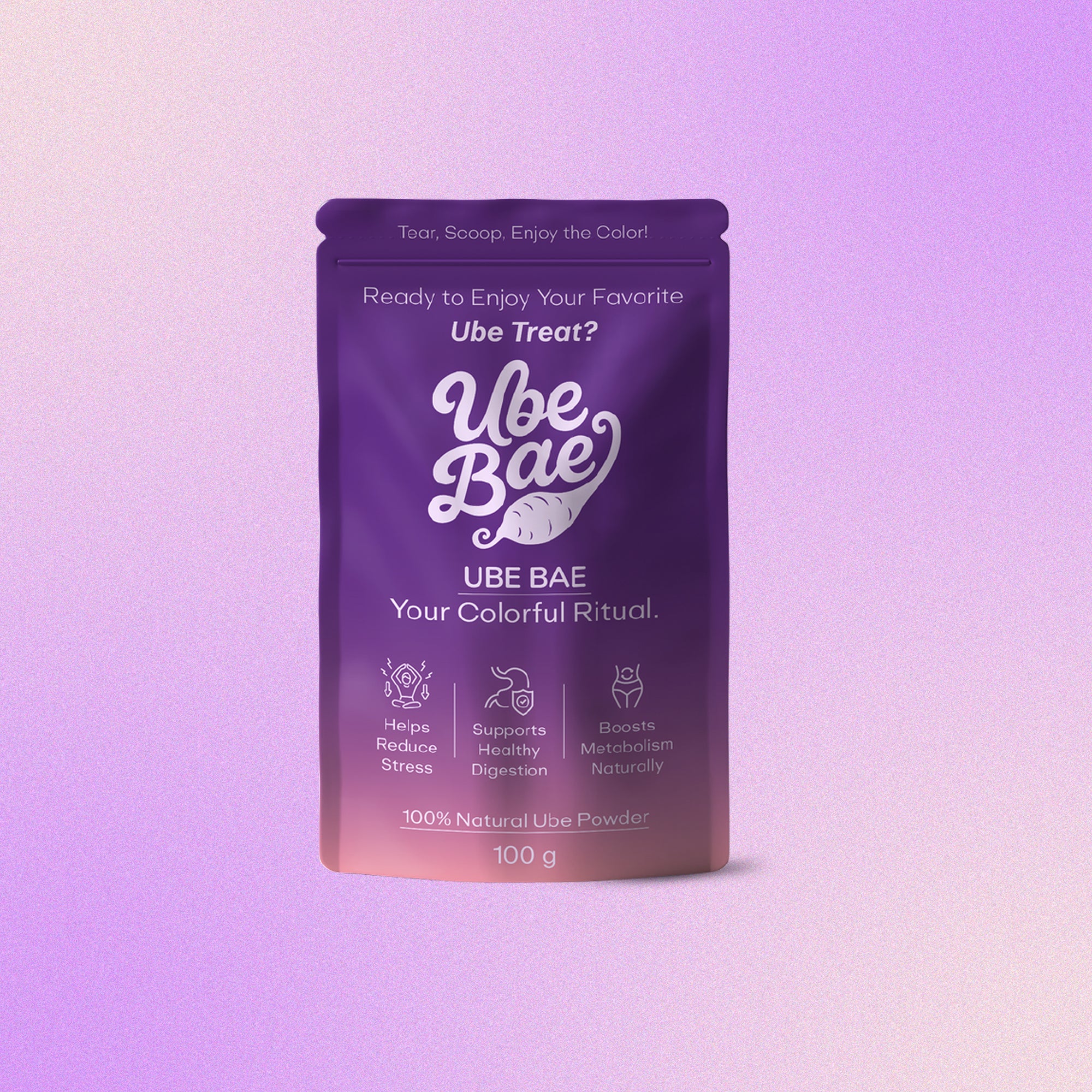
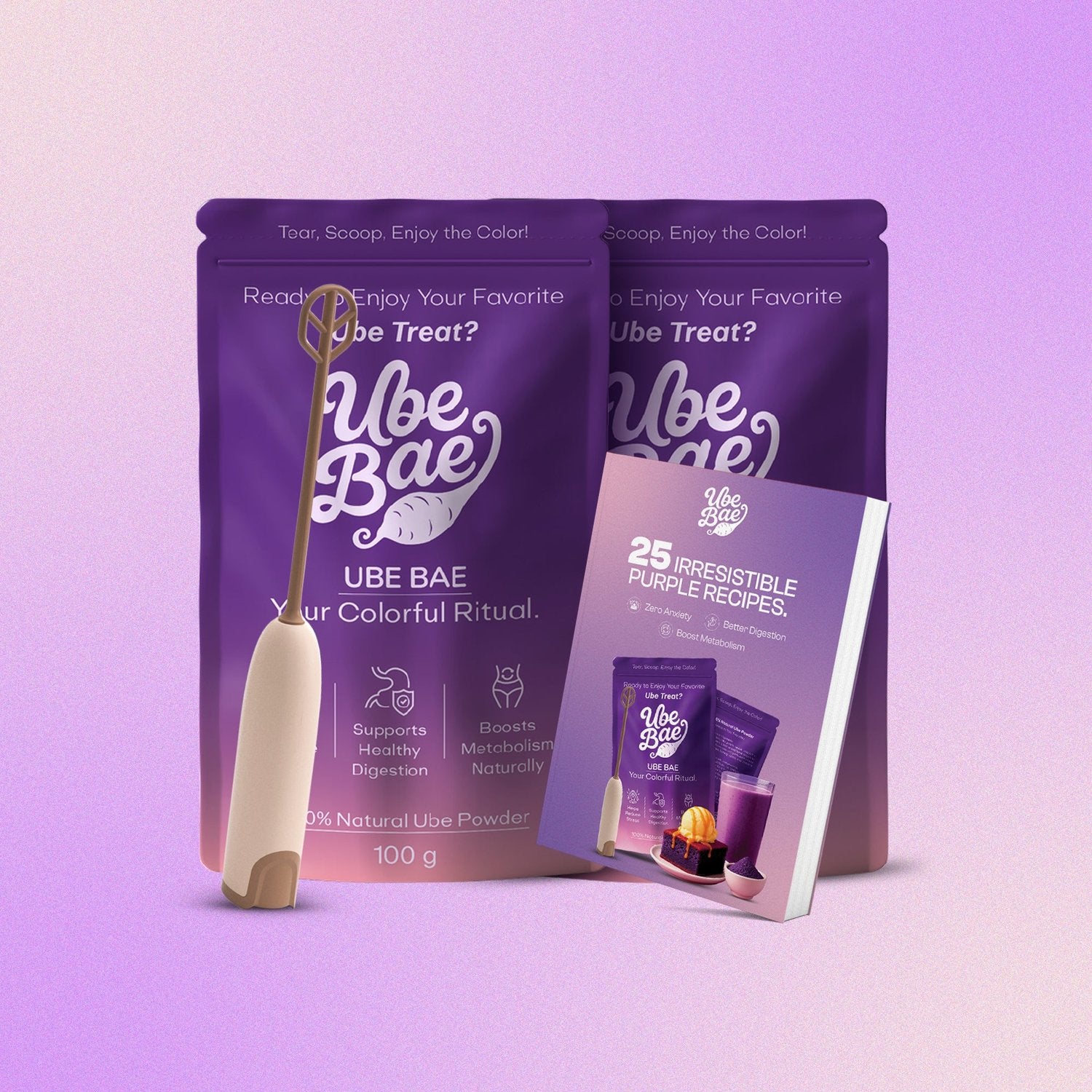
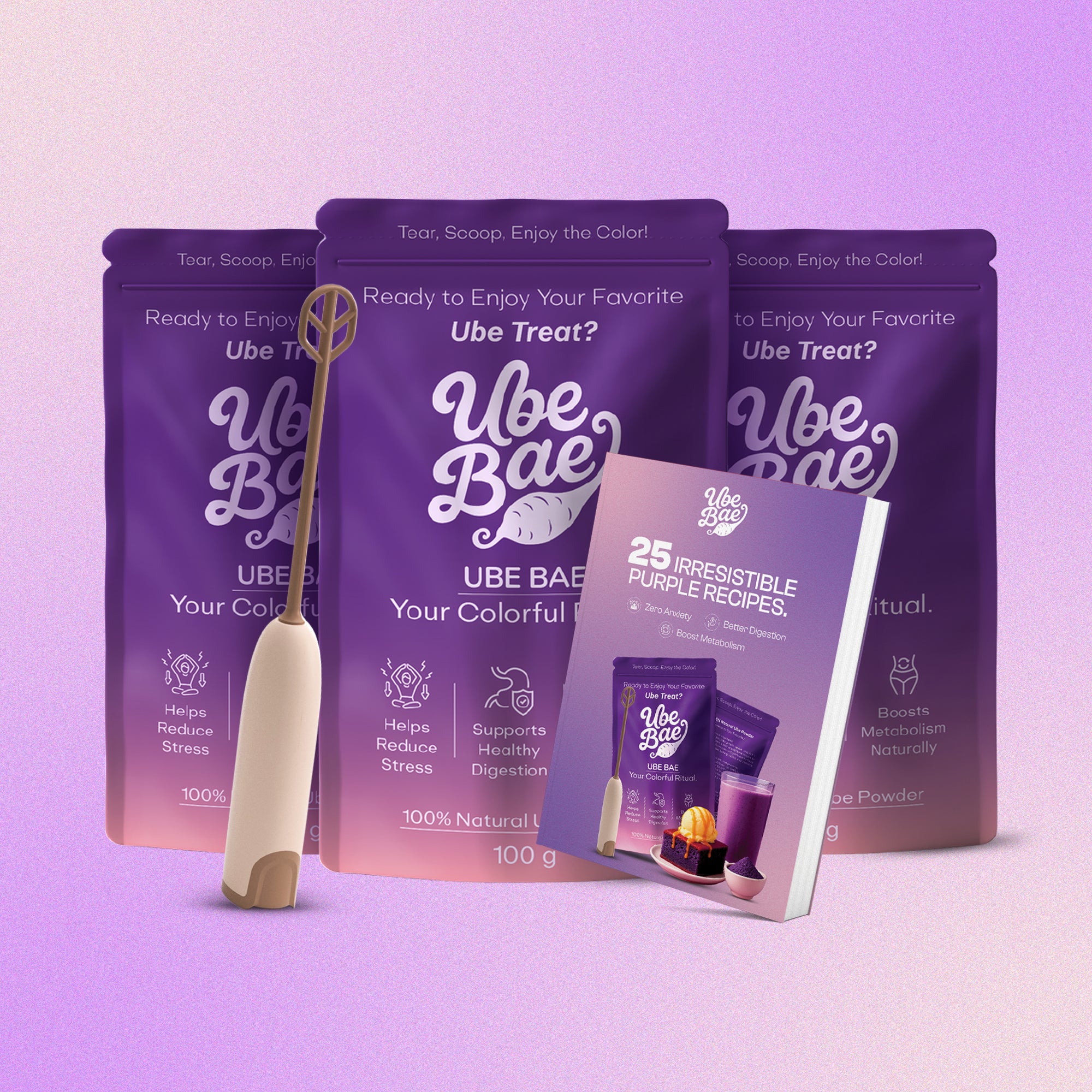
Turn Every Drink Into a Purple Delight
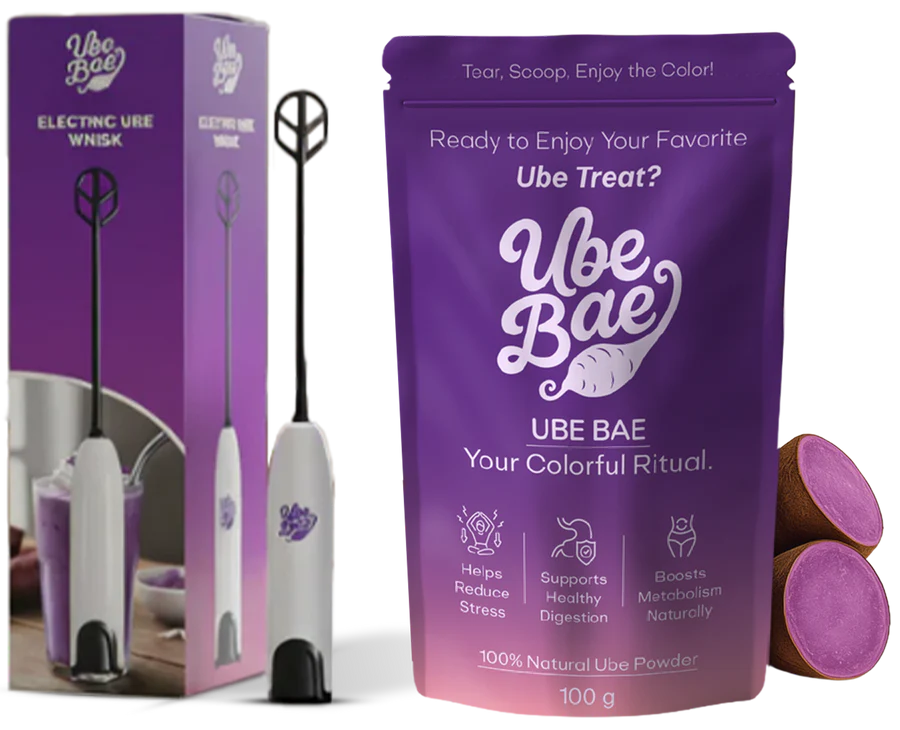
Turn Every Drink Into a Purple Delight
From creamy lattes to refreshing smoothies, our Organic Ube Powder (Purple Yam Ube Powder) makes every moment magical.
 STEP 1
 STEP 2
 STEP 3
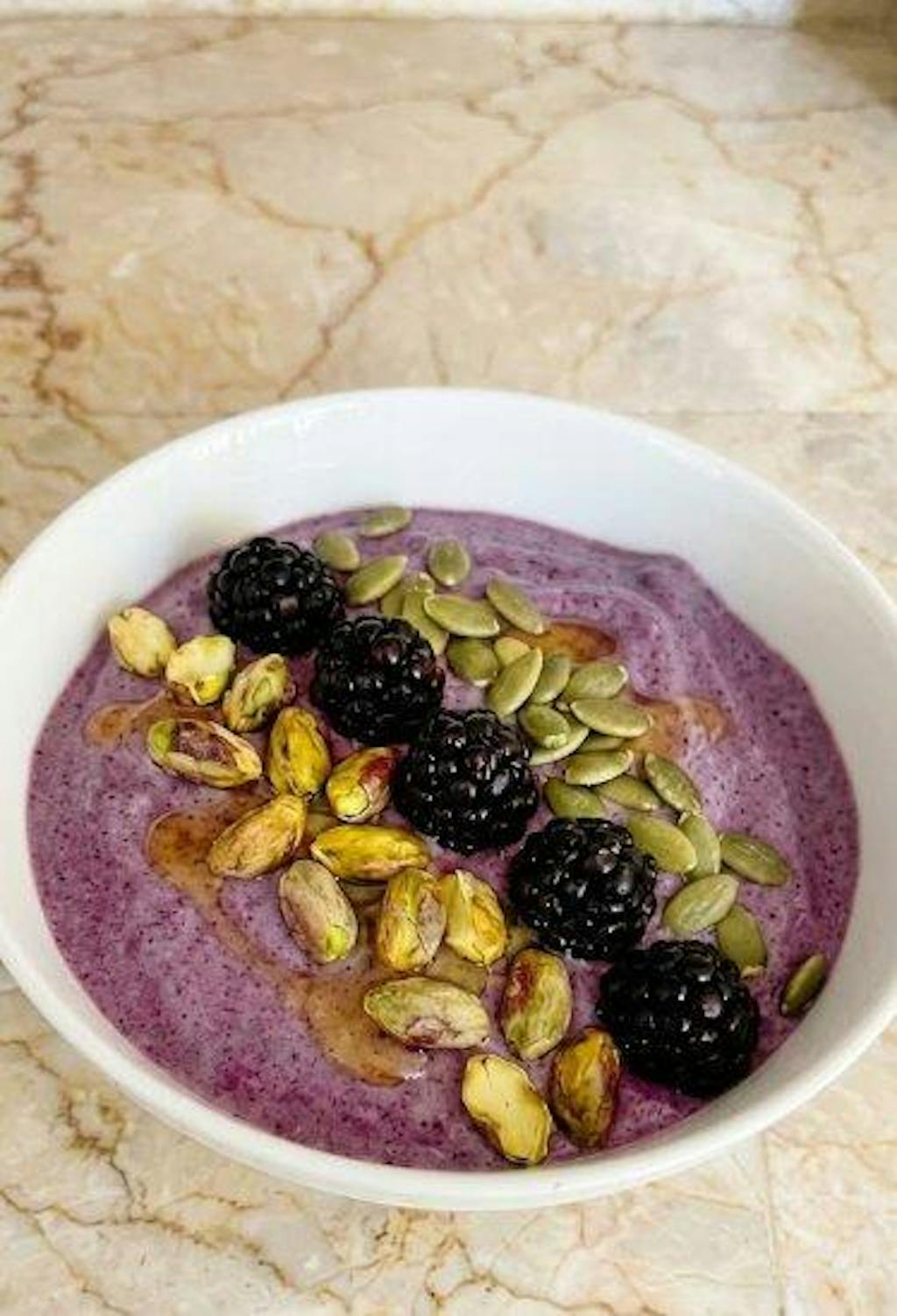
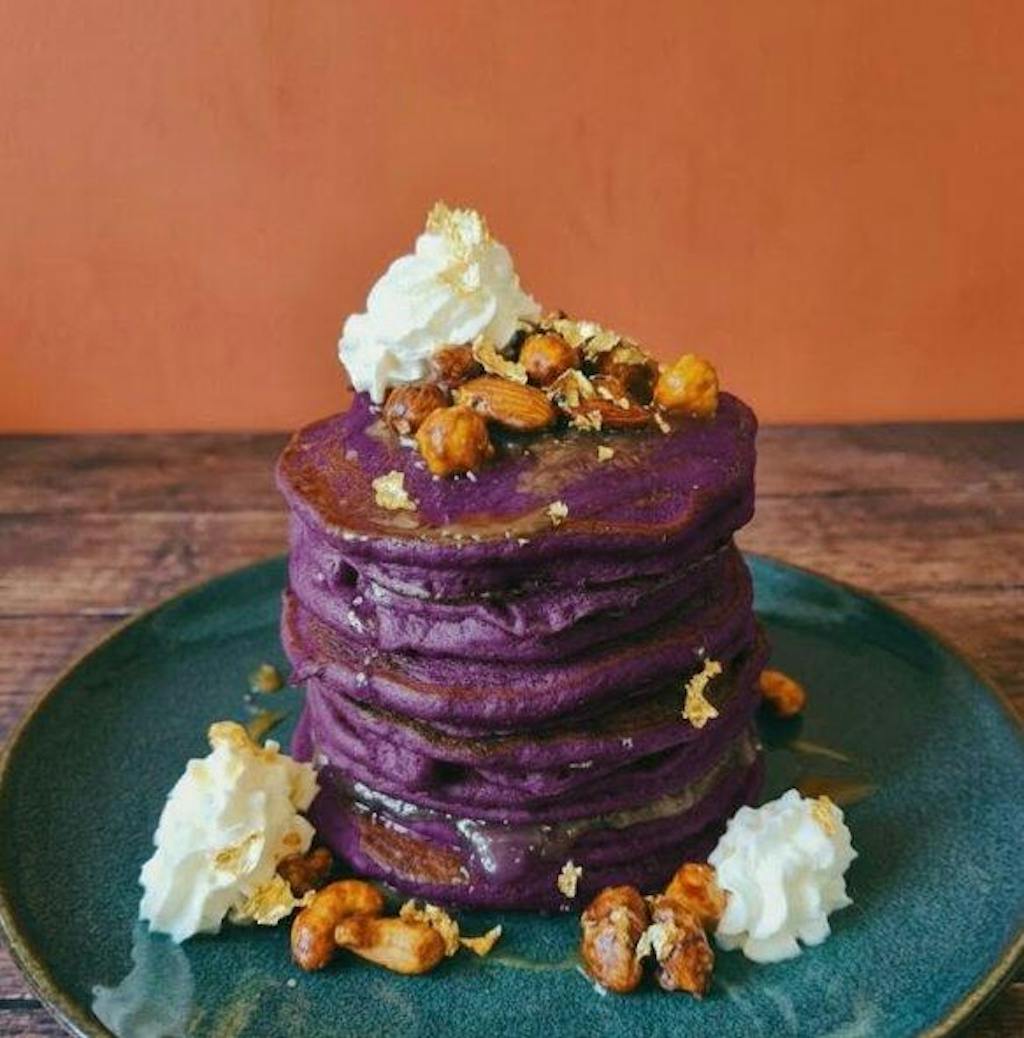
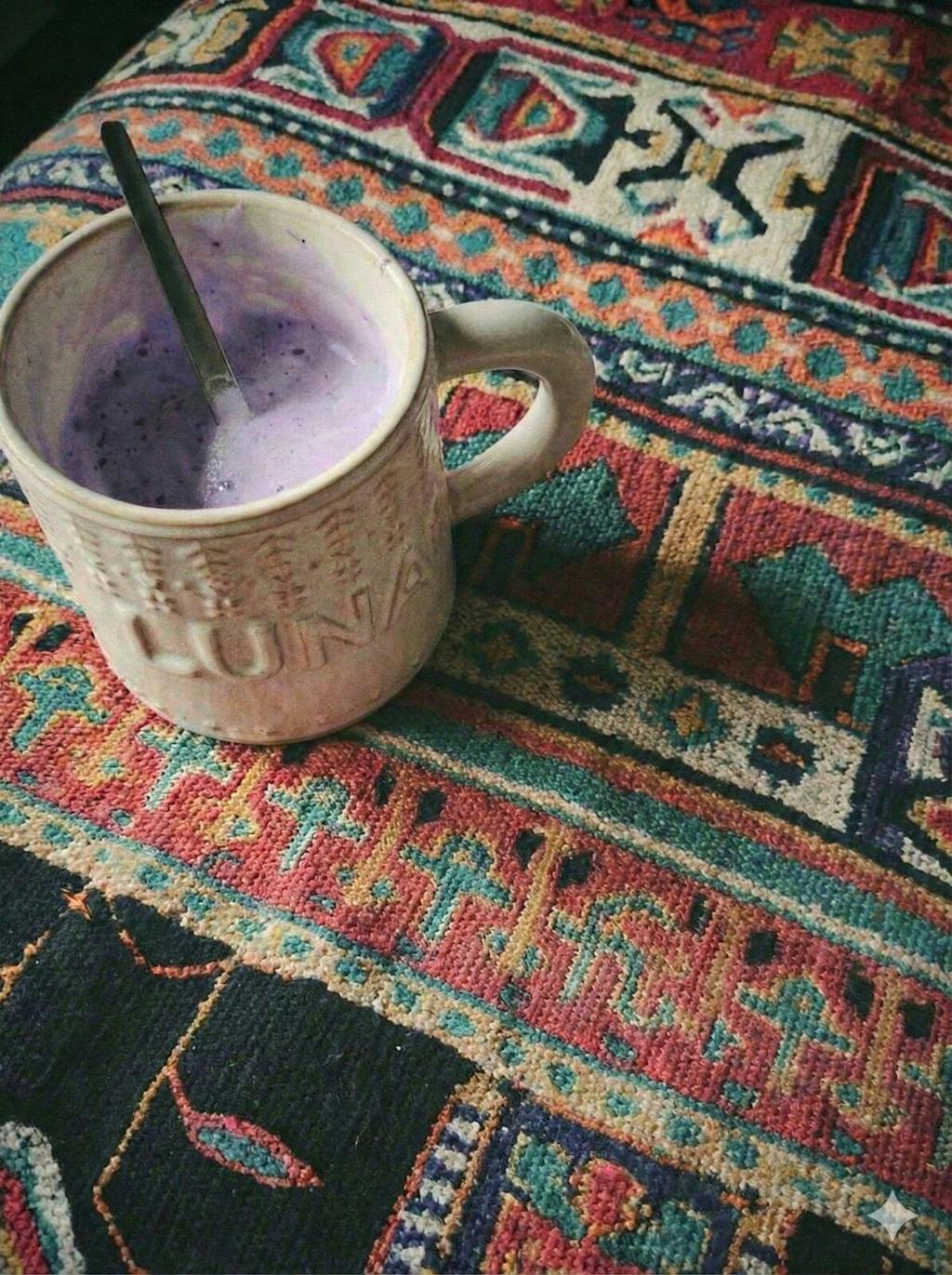
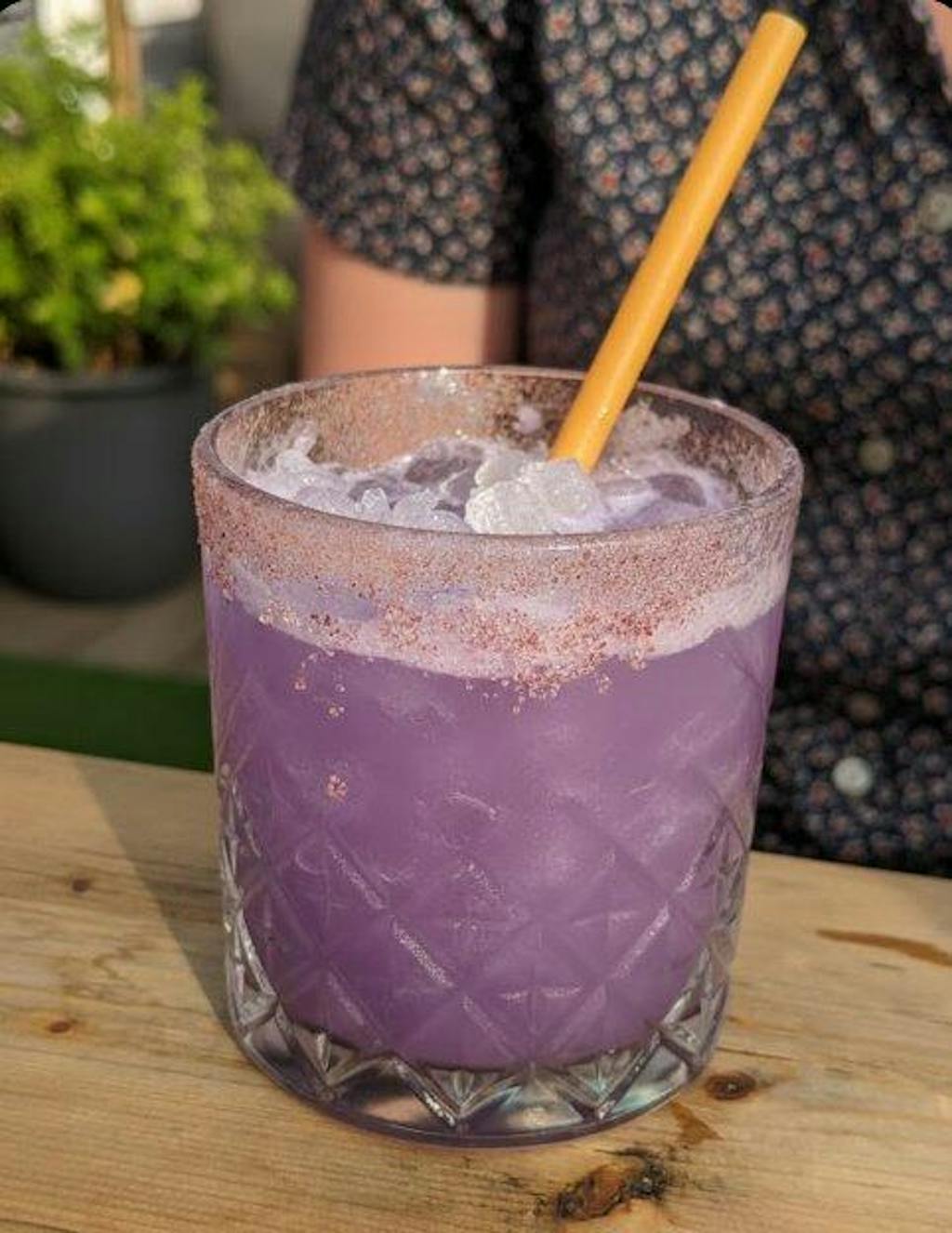
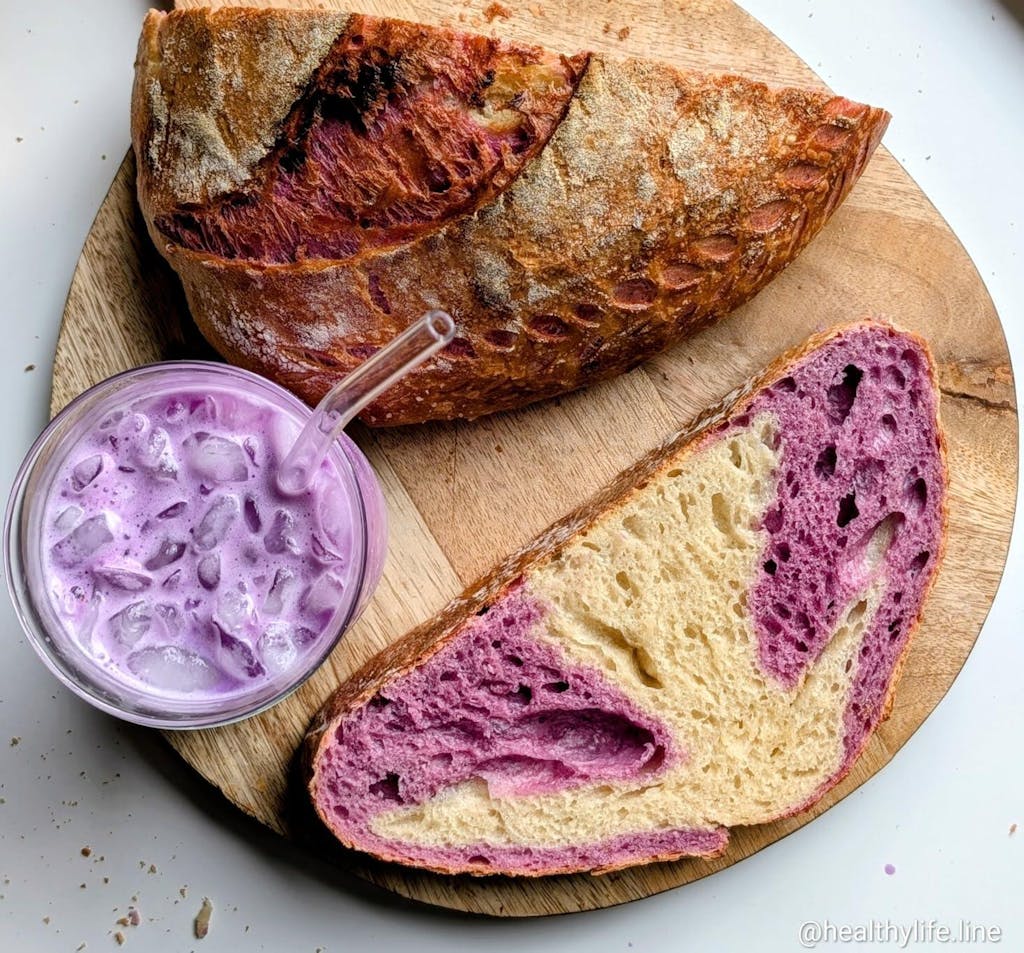
How it's used 📸
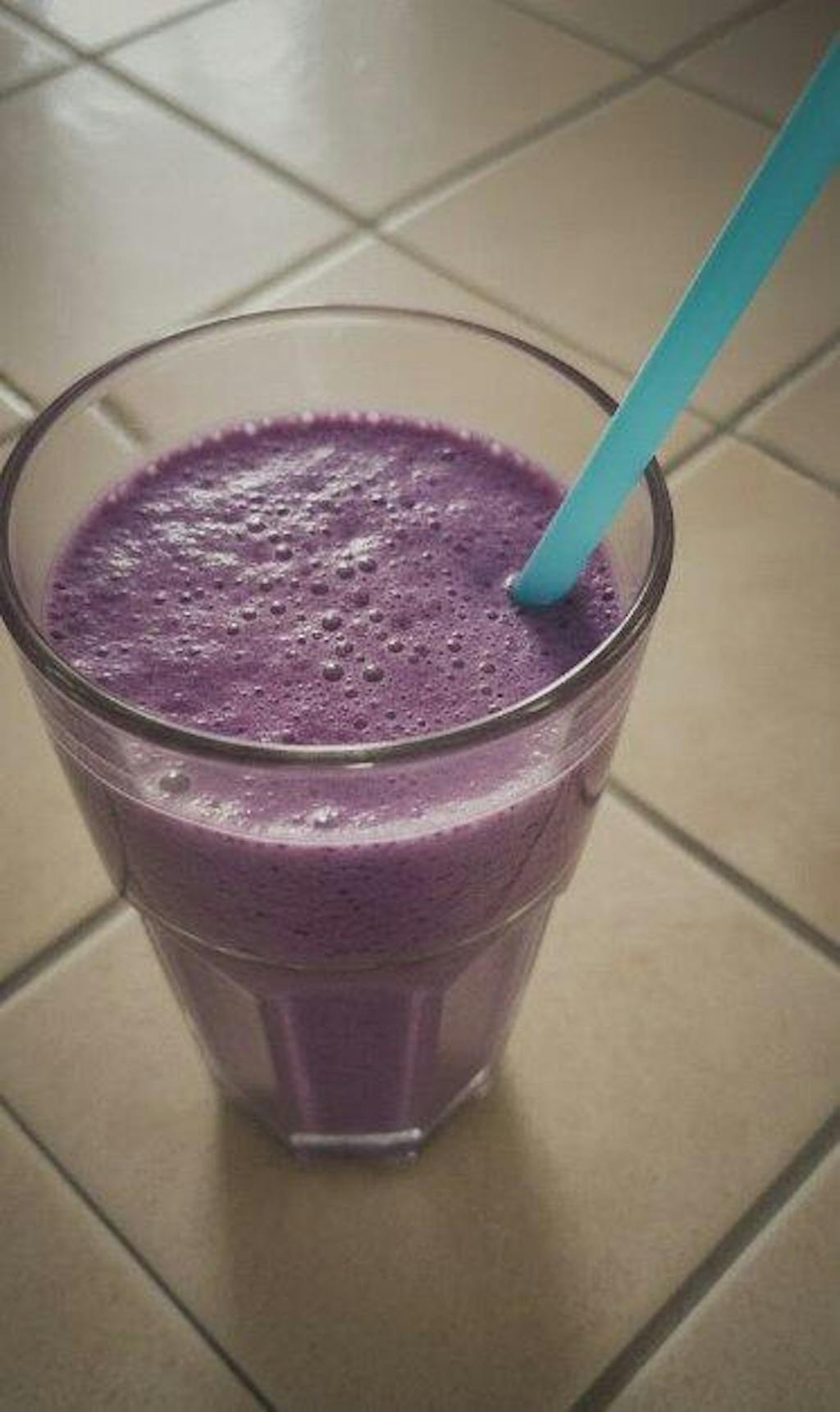
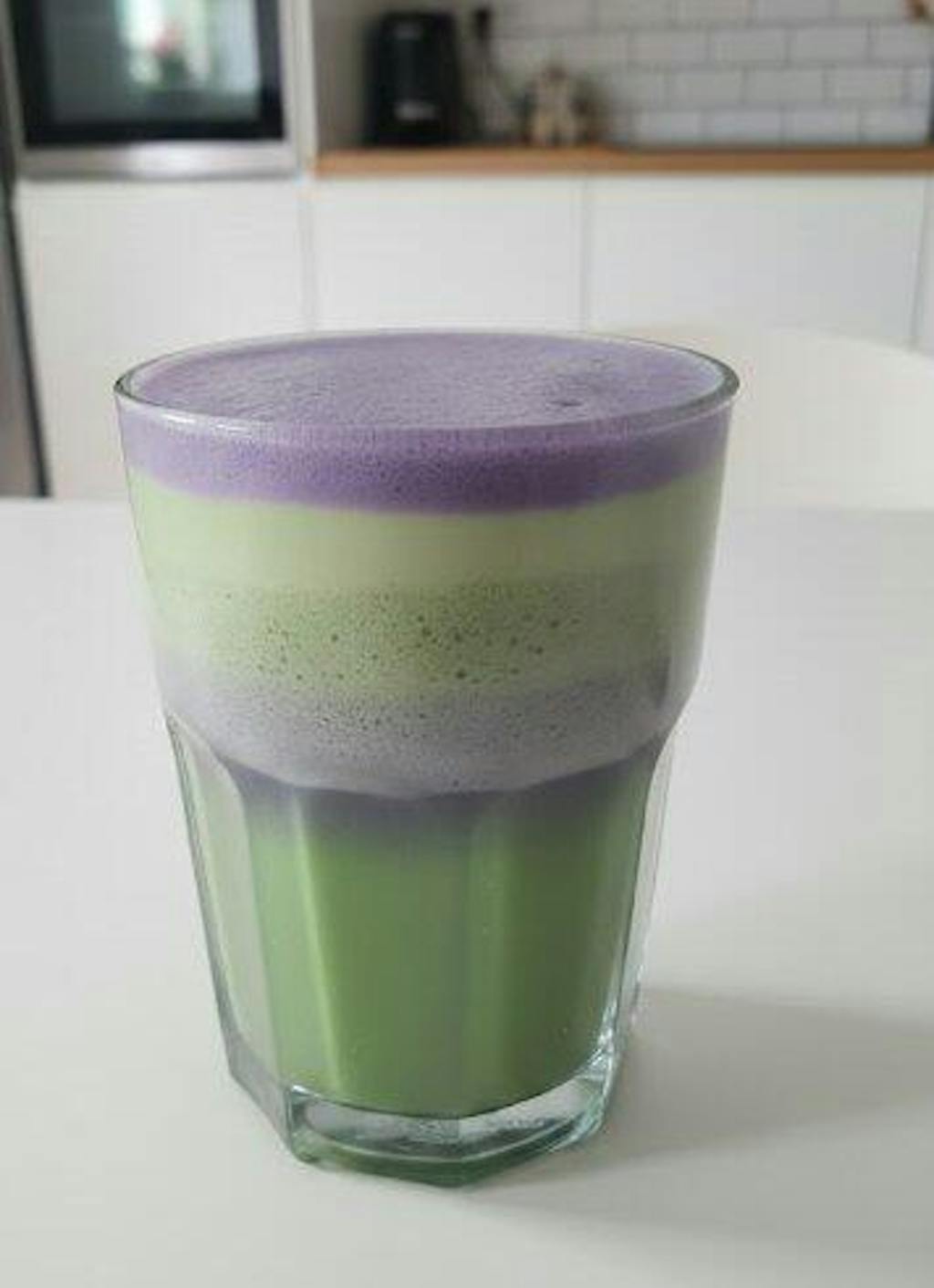
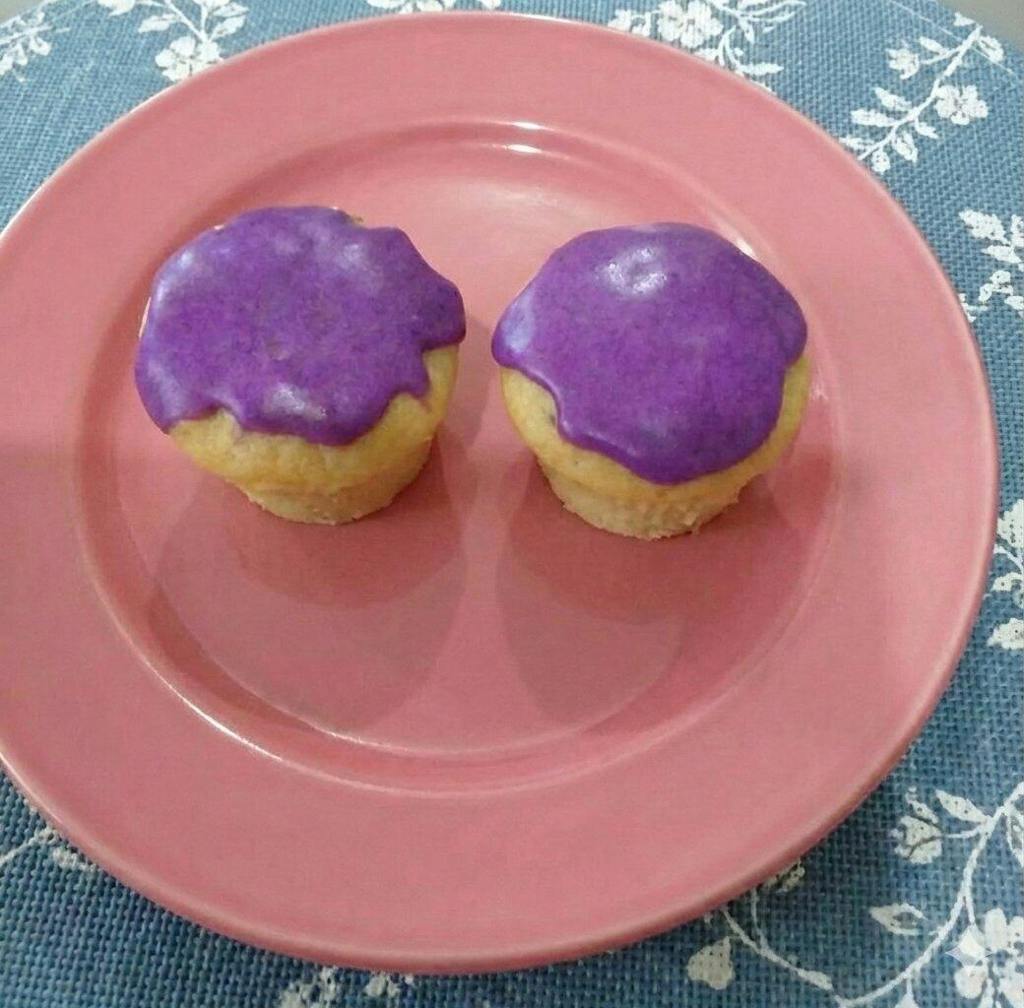
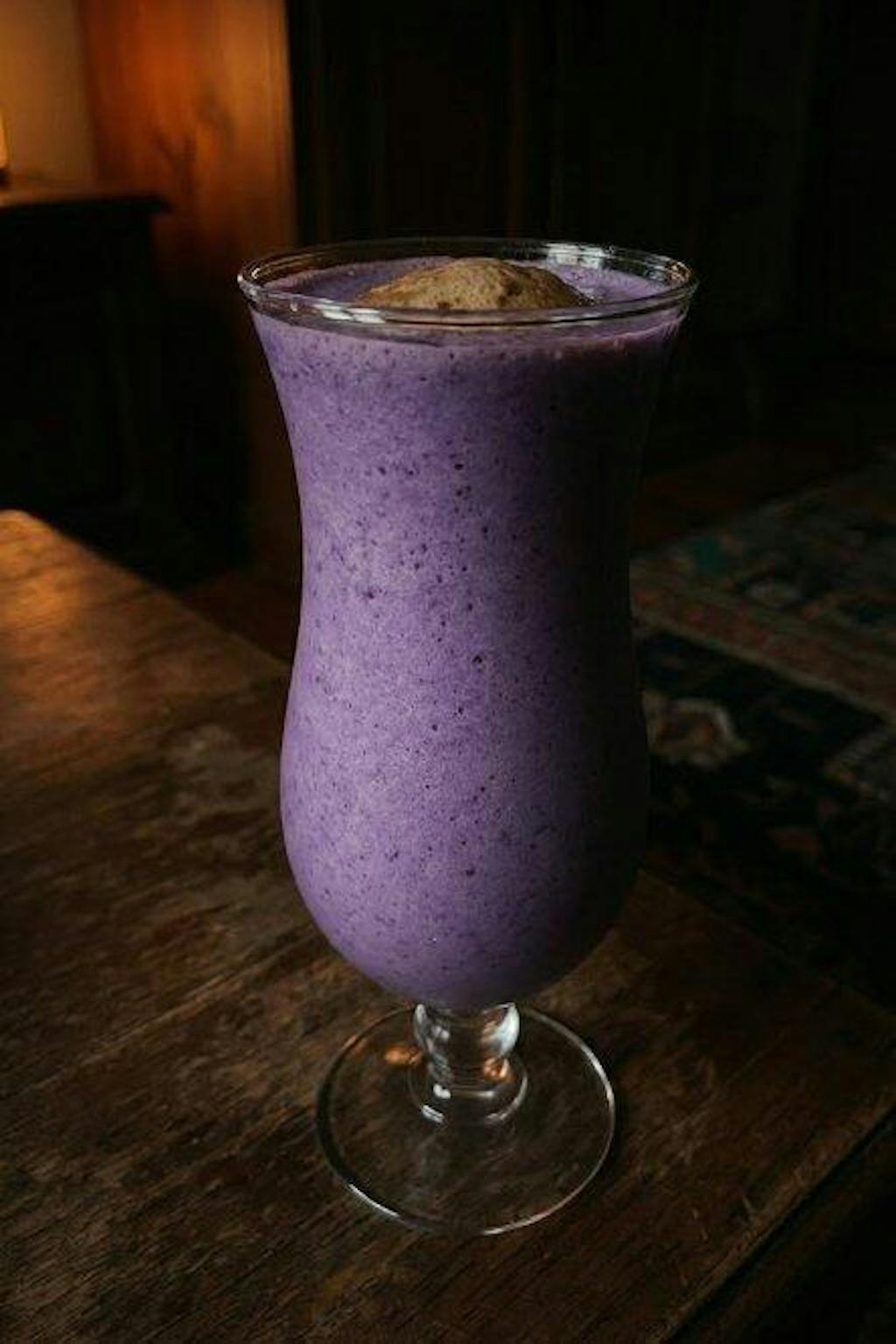
-

Free Shipping
-

Secure Payments
-

24/7 Support
-

Money-Back Guarantee


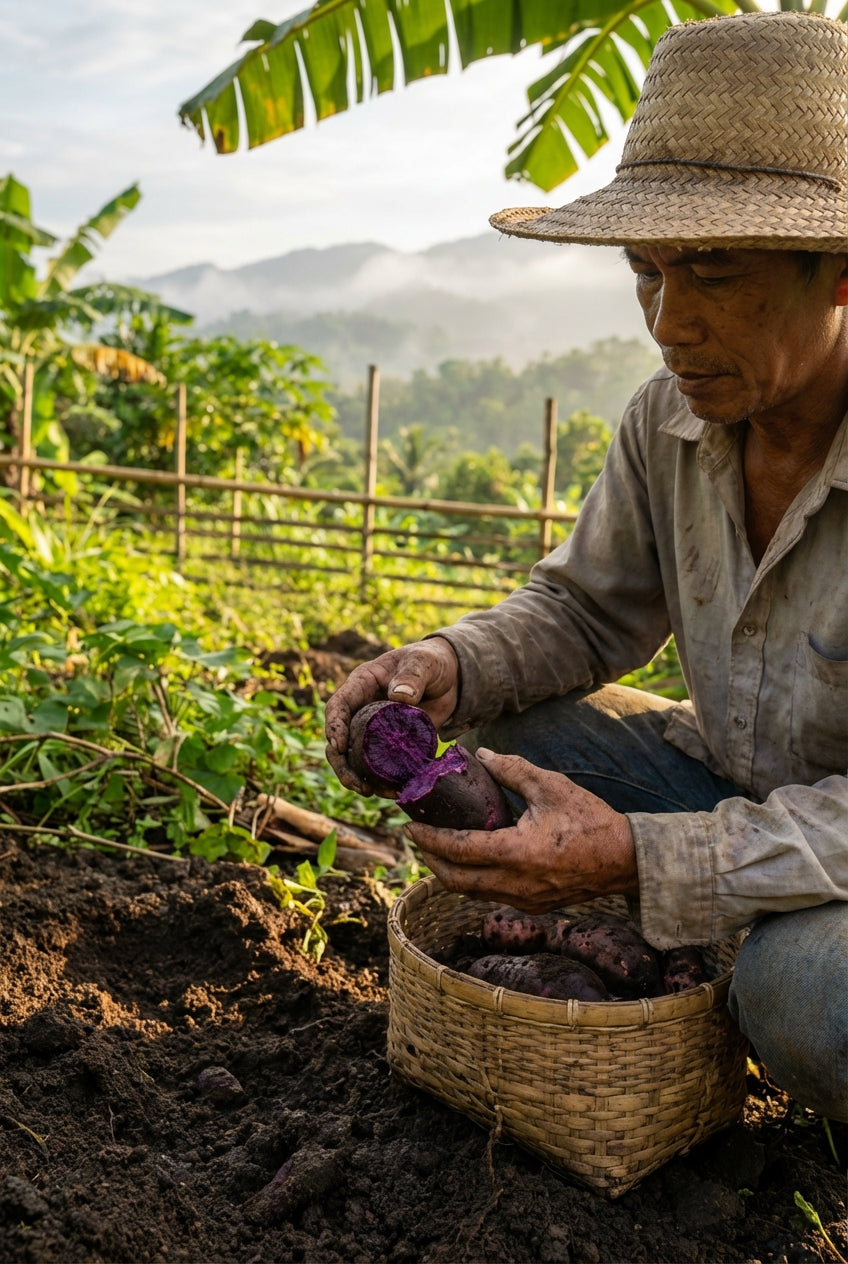
From Bohol's Volcanic Soil to Your Kitchen
Our ube comes from small family farms in Bohol — the Philippines' top purple yam province, producing over a third of the country's entire harvest. The rich volcanic soil and tropical monsoon climate create growing conditions that no other region can match.
Each harvest is hand-dug after 10 months of patient growing, selected at peak ripeness when the flesh reaches its deepest purple. The yams are then slowly dried at low temperatures — never spray-dried or flash-processed — to lock in the natural vanilla-hazelnut aroma, the vivid color, and the full spectrum of anthocyanin antioxidants.
What arrives in your pouch is 100% pure ube. No fillers, no artificial colors, no preservatives. Just real purple yam, the way Filipino families have been using it for generations.
Frequently Asked Questions
Everything you need to know about ube powder.
What is ube powder?
Ube powder is made from dehydrated purple yam (Dioscorea alata), a root vegetable native to the Philippines. It has a naturally sweet, vanilla-like flavor and a vibrant purple color. Our ube powder is 100% pure with no artificial colors, fillers, or additives.
How do you use ube powder?
Mix 1-2 teaspoons of ube powder into lattes, smoothies, oatmeal, yogurt, or baked goods. For a latte, dissolve the powder in a splash of hot water first, then add frothed milk and sweetener. It also works great in pancakes, cheesecakes, ice cream, and frosting.
Does ube have caffeine?
No, ube is 100% caffeine-free. This makes ube lattes a perfect alternative to coffee or matcha for anyone avoiding caffeine, including pregnant women, children, and people sensitive to stimulants. You can enjoy an ube latte any time of day without affecting your sleep.
Is ube the same as taro?
No. Ube and taro are completely different plants. Ube (Dioscorea alata) is a true yam with a bright purple interior and sweet vanilla flavor. Taro (Colocasia esculenta) is a starchy root with white-to-lavender flesh and an earthy, nutty taste. They look similar when processed into powder, but the flavor and nutrition are very different.
What does ube taste like?
Ube has a naturally sweet flavor with notes of vanilla, pistachio, and a hint of coconut. It is milder and creamier than most people expect. The taste pairs well with milk, chocolate, and tropical flavors.
Is ube powder good for you?
Yes. Ube is rich in anthocyanins (powerful antioxidants that give it its purple color), vitamins A, C, and E, potassium, and dietary fiber. It supports heart health, healthy digestion, and may help reduce inflammation. It is also naturally gluten-free and vegan.
Where does your ube come from?
Our ube is sourced from family farms in Bohol, Philippines, the top ube-producing province in the country. The volcanic highland soil and tropical climate create ideal growing conditions for vibrant, flavorful purple yams. Each batch is slow-dried at low temperatures to preserve color and nutrients.
How much ube powder should I use per serving?
For lattes and drinks, use 1-2 teaspoons per cup. For baking, use 2-3 tablespoons per batch. Start with less and add more to your preference. A little goes a long way for both flavor and color.
What Does Ube Actually Taste Like?
If you've never tasted ube, imagine this: a gentle sweetness that lands somewhere between vanilla custard and toasted hazelnut, with a whisper of white chocolate at the finish. It's not sugary. It's not starchy. It's not earthy. It's something entirely its own — creamy, aromatic, and naturally comforting.
In a latte, the flavor is subtle and milky — perfect for daily drinking. In ice cream or cheesecake, the sweetness intensifies and the hazelnut notes come forward. In a smoothie bowl, it adds a rich body without competing with fruit flavors.
And no, it doesn't taste like taro. Not even close. Here's why they're completely different.